
Proceedings of the First Annual Workshop of ISAFF held in Rome on 4 November 2014

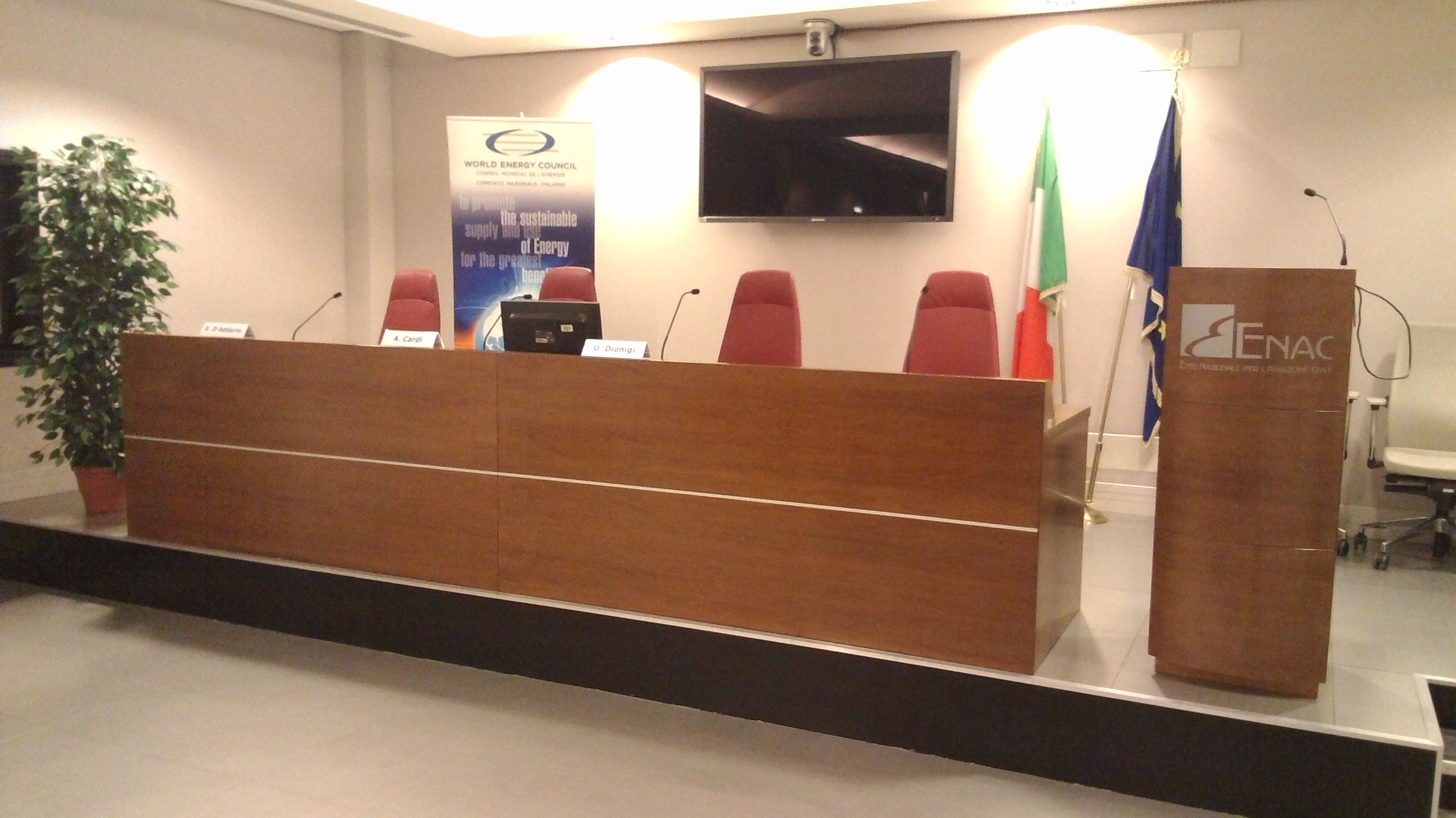
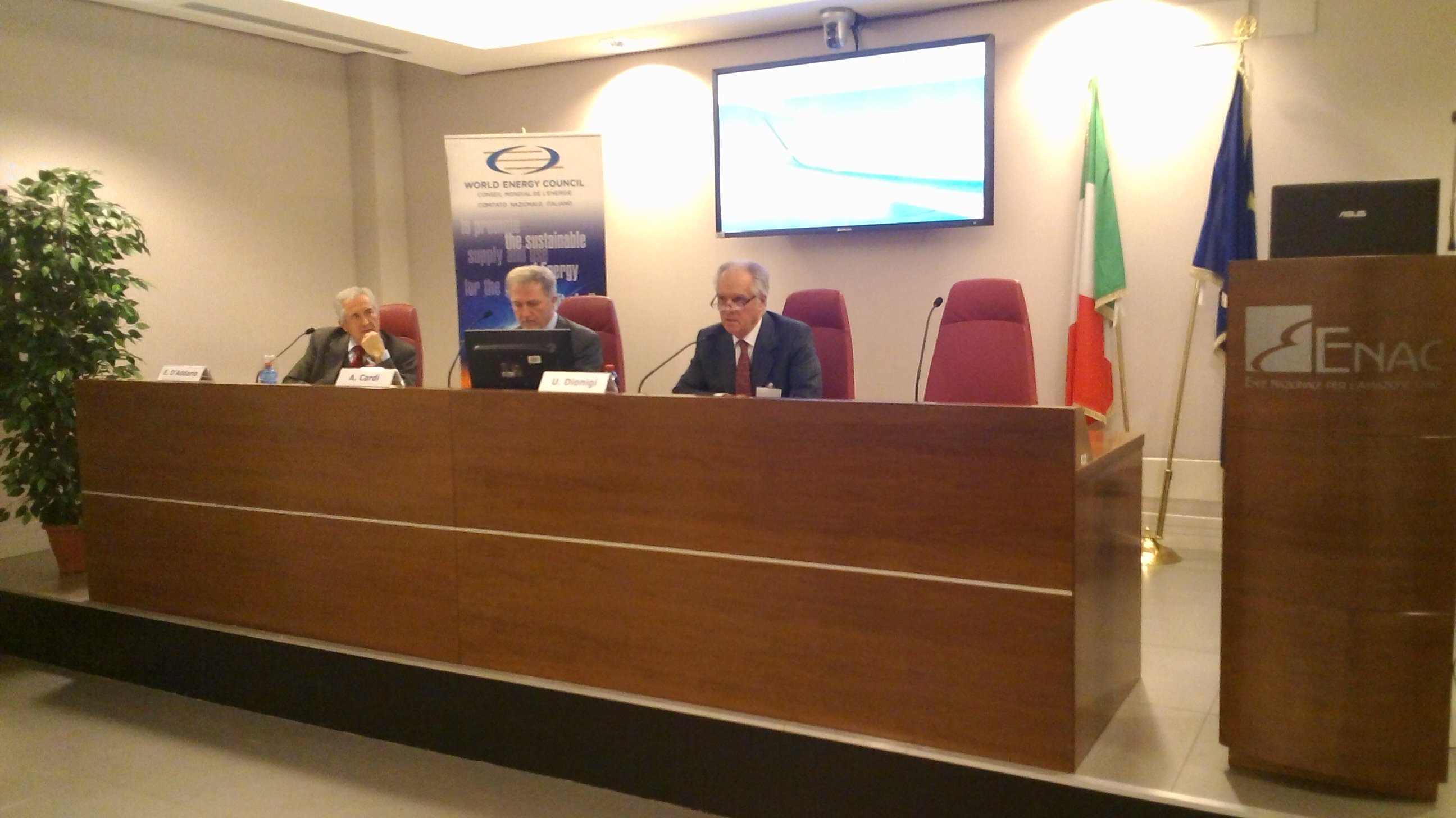
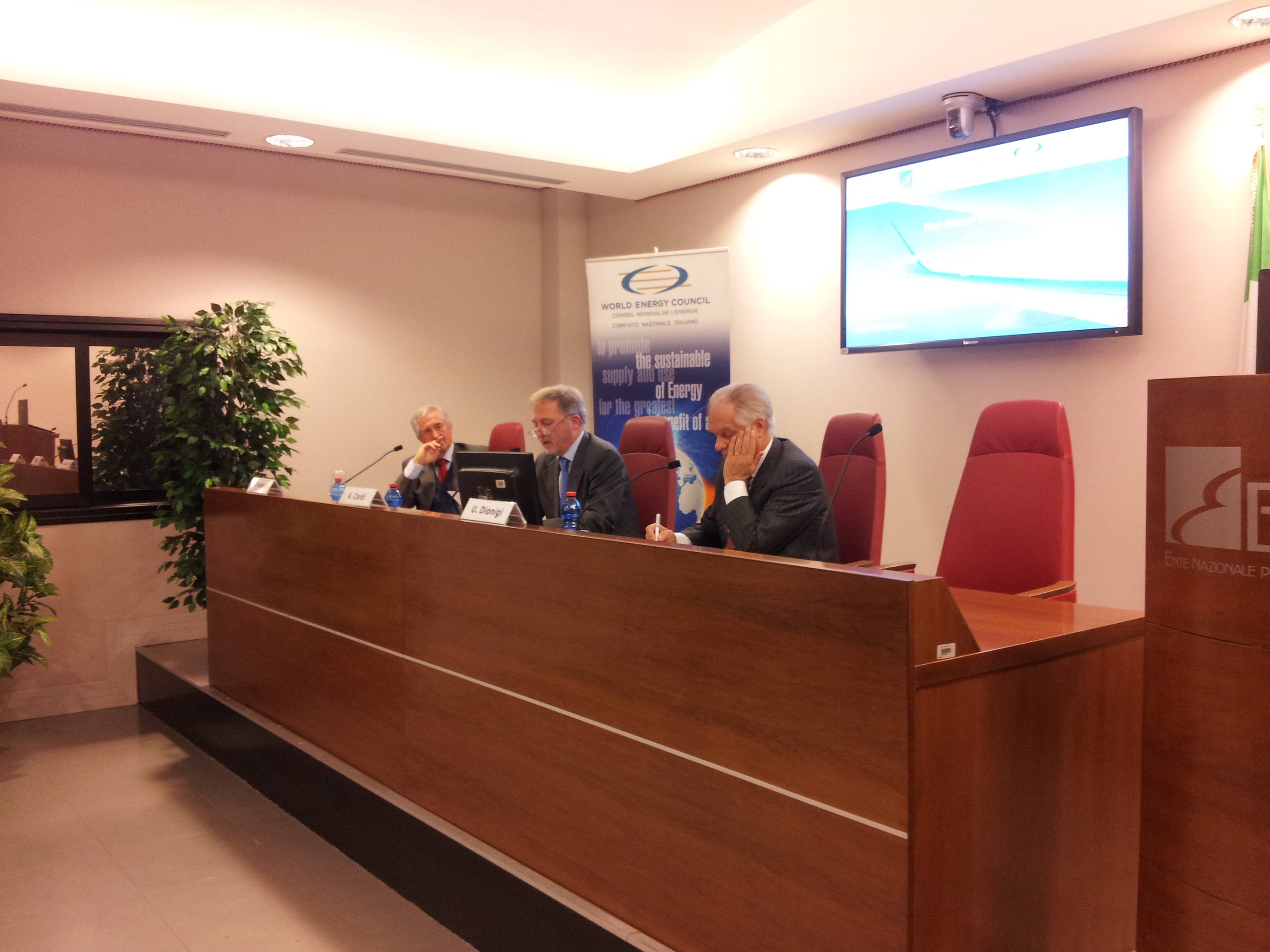
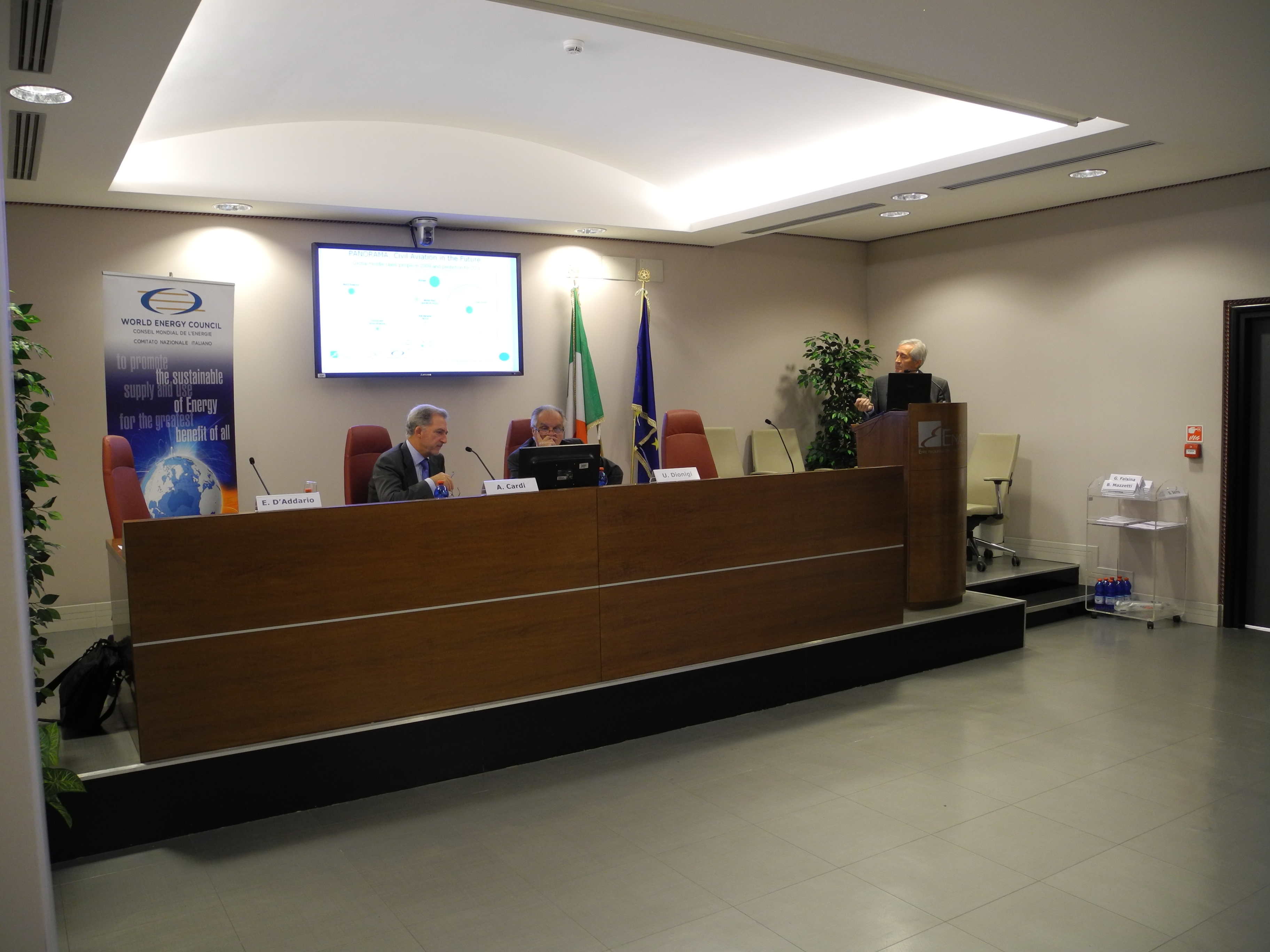
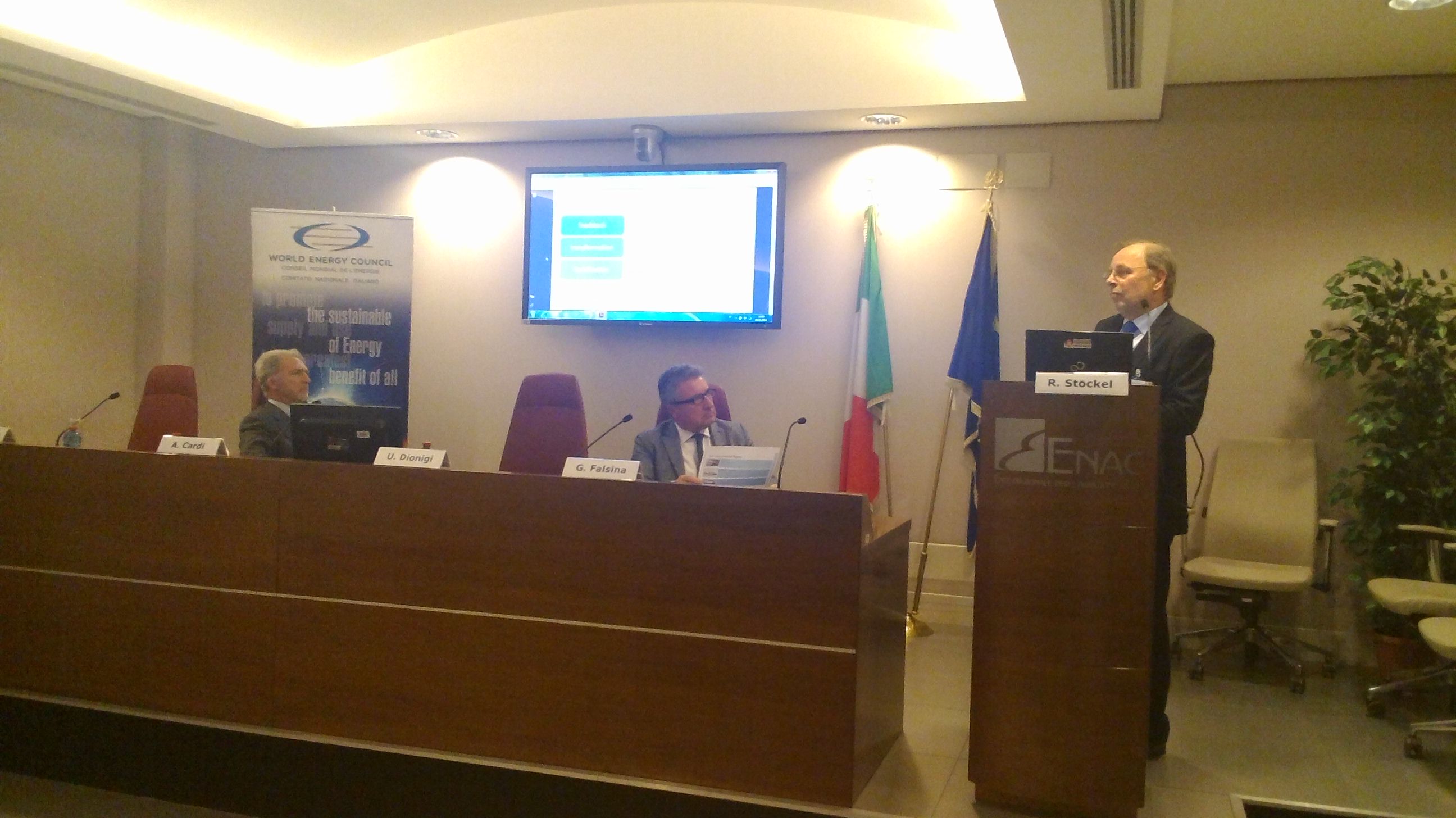
Opening Remarks – From left: E. D’Addario, ISAFF Secretary, A. Cardi, Technical Reg. Director ENAC, U. Dionigi, WEC Italy Secretary
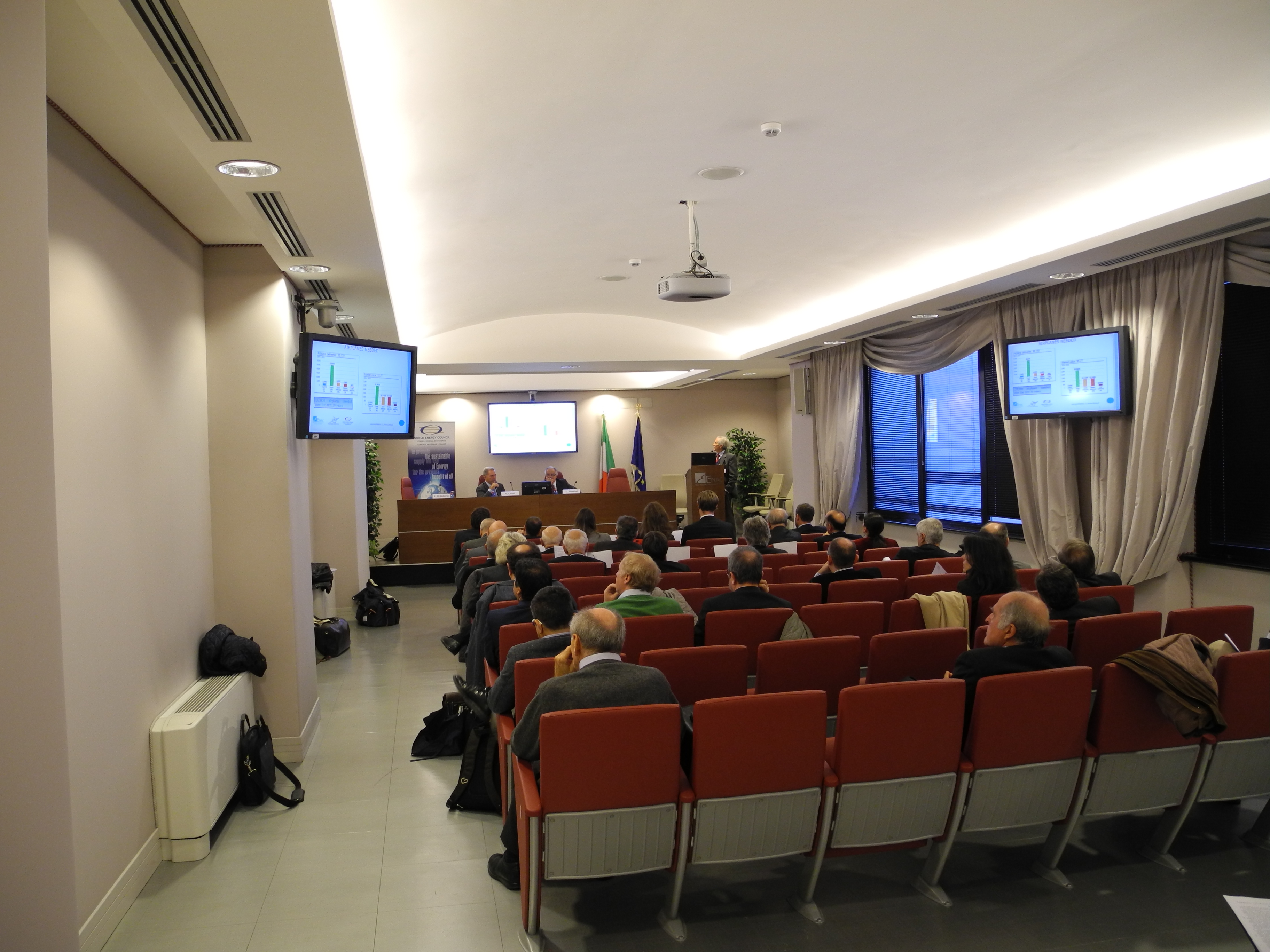
The workshop organized by the Italian Sustainable Aviation Fuel Forum (ISAFF) is the first Italian event on alternative fuels for aviation. It was attended by more than sixty participants both Italians and Europeans (Spanish, French and German). The companies and institutions present can be grouped as follows:
- civil aviation: Alitalia, Boeing, Sea Milano, Alenia, ENAC, Avionews
- production and R&D of bio-fuel and bio-jet fuel: Biochemtex, RE-CORD, Sunchem, University of Salento, Senasa (Spain), FNR and Bauhaus Luftfahrt (Germany), SkyNRG (NL)
- chemical and gas industry: Chimec, Linde
- R&D on energy and environment: ENEA, Centro Sviluppo Materiali
- oil industry involved on production and R&D of bio-fuel and bio-jet fuel: Eni, Total
- governmental institutions with political and regulatory tasks (Ministry of Environment and Ministry of Transport) or directly involved in the use of bio-fuel (Italian Navy).
Introduction
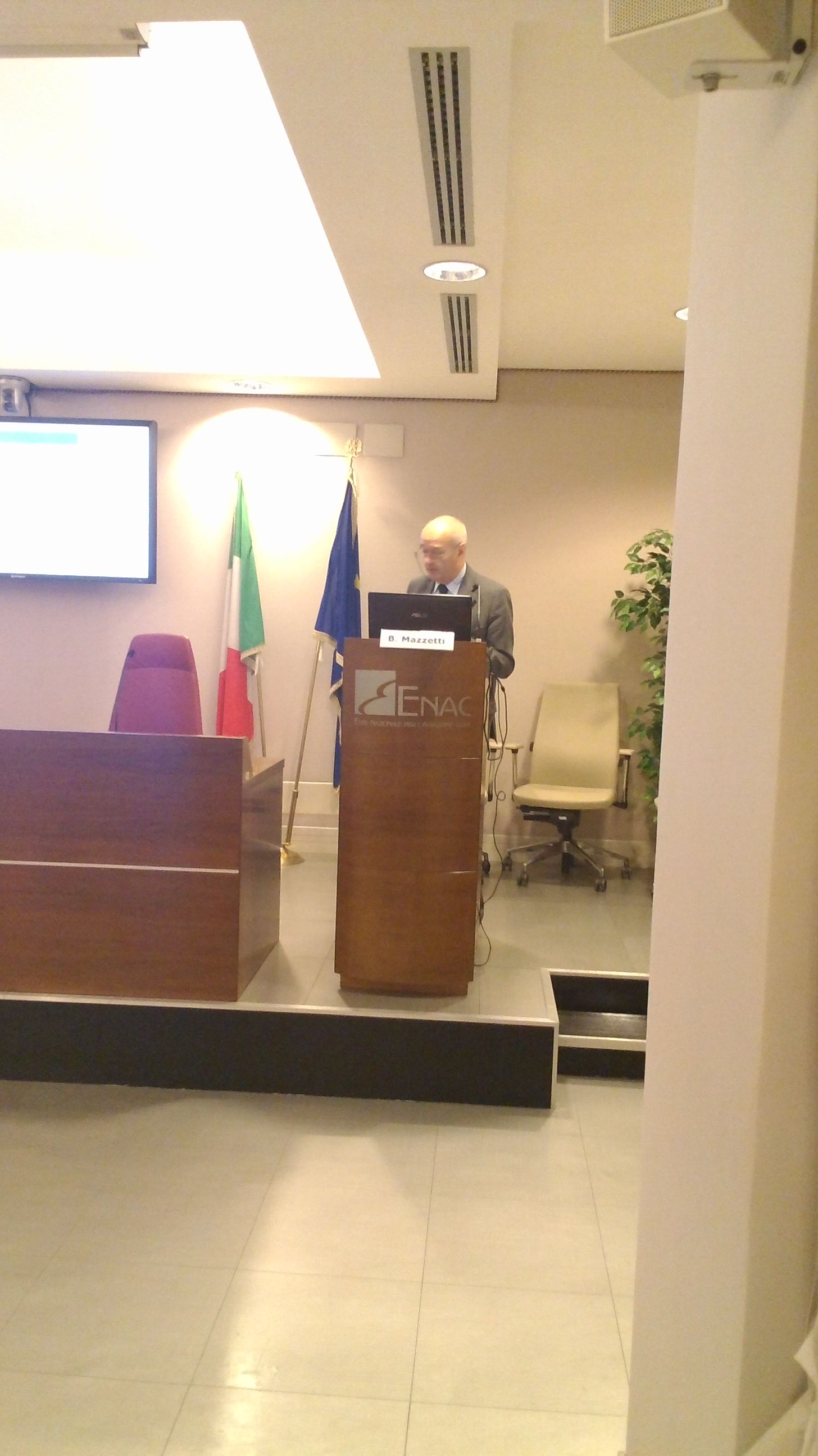
In the introductory section, it was recalled the socio-economic importance of civil aviation, pointing out that it is expected to grow especially in the Asian Pacific countries, where middle class people is estimated to increase steadily over the next twenty years. This would lead to a continuous increase in global jet fuels needs (i.e. 4,5% on a yearly basis in EU until 2050) and greenhouse gases emissions that in 2050 would more than double those of 2005 (approx. 700 million tons CO2 equivalent on a global scale). To reduce the environmental impact, a number of targets have been agreed by global (International Civil Aviation, ICAO – De La Rica Jimenez M.) and European (Advisory Council for Aviation Research and Innovation in Europe, ACARE – Mazzetti B.) institutions, and the related action plans are now in progress. In this framework, bio-jet fuels are expected to play a specific role, especially in medium-long term projections.
Session I
In the first section of the workshop, some R&D projects and production initiatives going on worldwide and in Europe on bio- jet fuel, has been presented, such as:
- technologies based on hydrogenation of vegetable oils for automotive bio-fuel production which can easily allow the production of drop-in bio-jet fuels, are now available at industrial scale (Eni Porto Marghera biorefinery)
- technologies for 100% bio-jet fuel are also available at demonstrative scale (joint venture Amyris-Total in Brazil)
- promising industrial initiatives aiming at the conversion in bio-fuels not only of the cellulosic and emicellulosic fraction of lignocellulosic biomass, but also of the lignin fraction, with the almost entire exploitation of second generation feedstock are in progress (MOGHI process of Mossi&Ghisolfi group)
- interesting long term research for bio-jet fuel production from liquefaction of syngas obtained from CO2 reduction with water at high temperature with solar energy (solar thermodynamic) are also in progress (Bauhaus Luftfahrt, Germany)
The above, together with the review of many industrial and research projects currently in progress on global and European scale, lead to conclude that the large diffusion of industrial initiatives is today technologically achievable and clear and stable legal frameworks would be strongly advisable. In this regard, the decree issued last October by the Italian government which establishes the targets for the utilization of both automotive and bio-jet fuels, represents a good starting point.
Session II
In the second section it turned out that the availability of biomass for second generation bio-fuel production is a primary subject still open, with specific reference to cultivable areas, competition food vs non food and cultivation methodologies. In this field, encouraging results have been obtained in Africa from cultivation of energetic tobacco, and in Spain from Camelina, even if some matters are still open for Camelina cultivation (needs of herbicides and fertilizers, low yields).
In Italy, on the basis of the territory characteristics and areal yields, lignocelluosic biomass appears a promising feedstock.
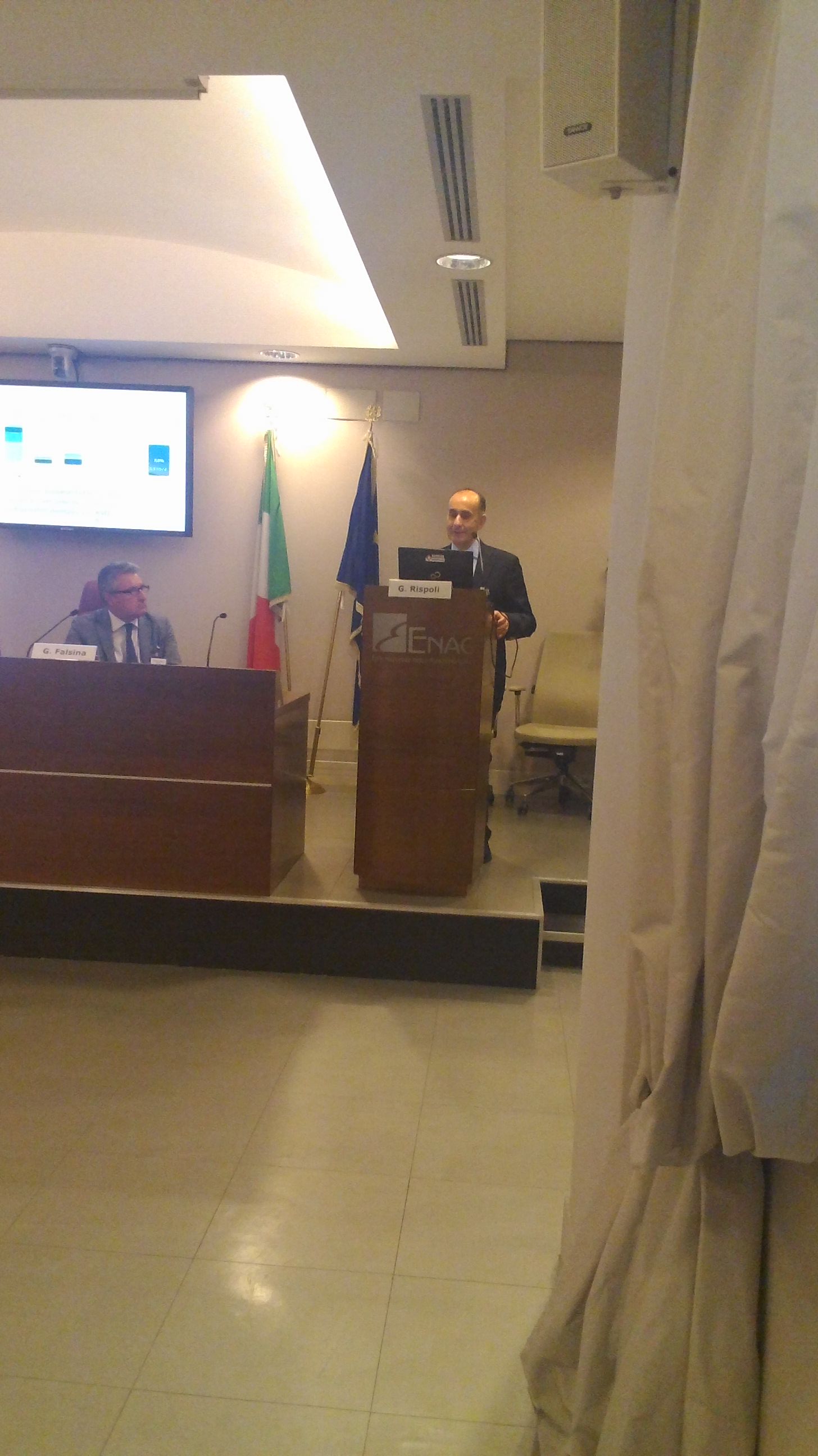
Gallery

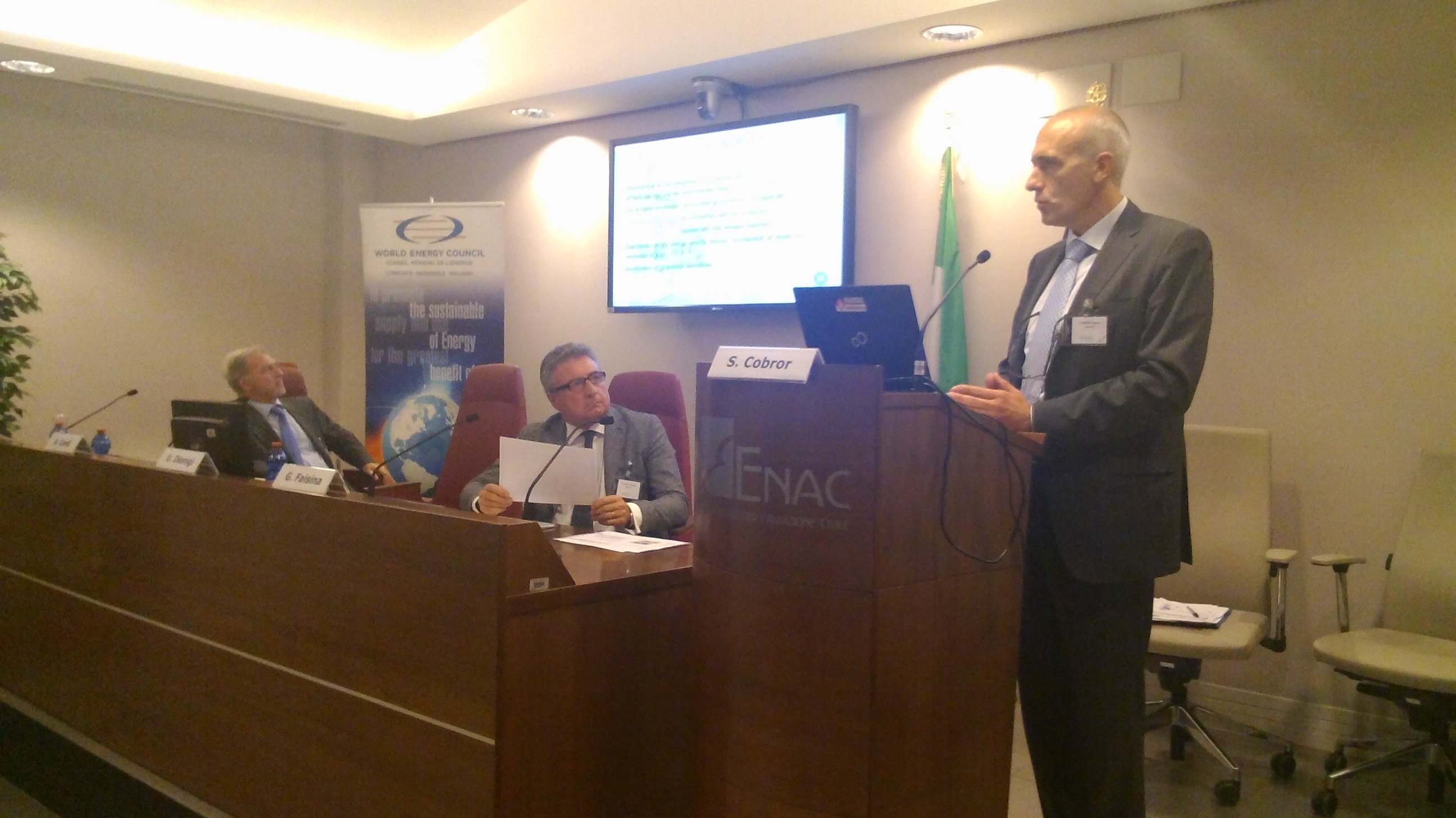
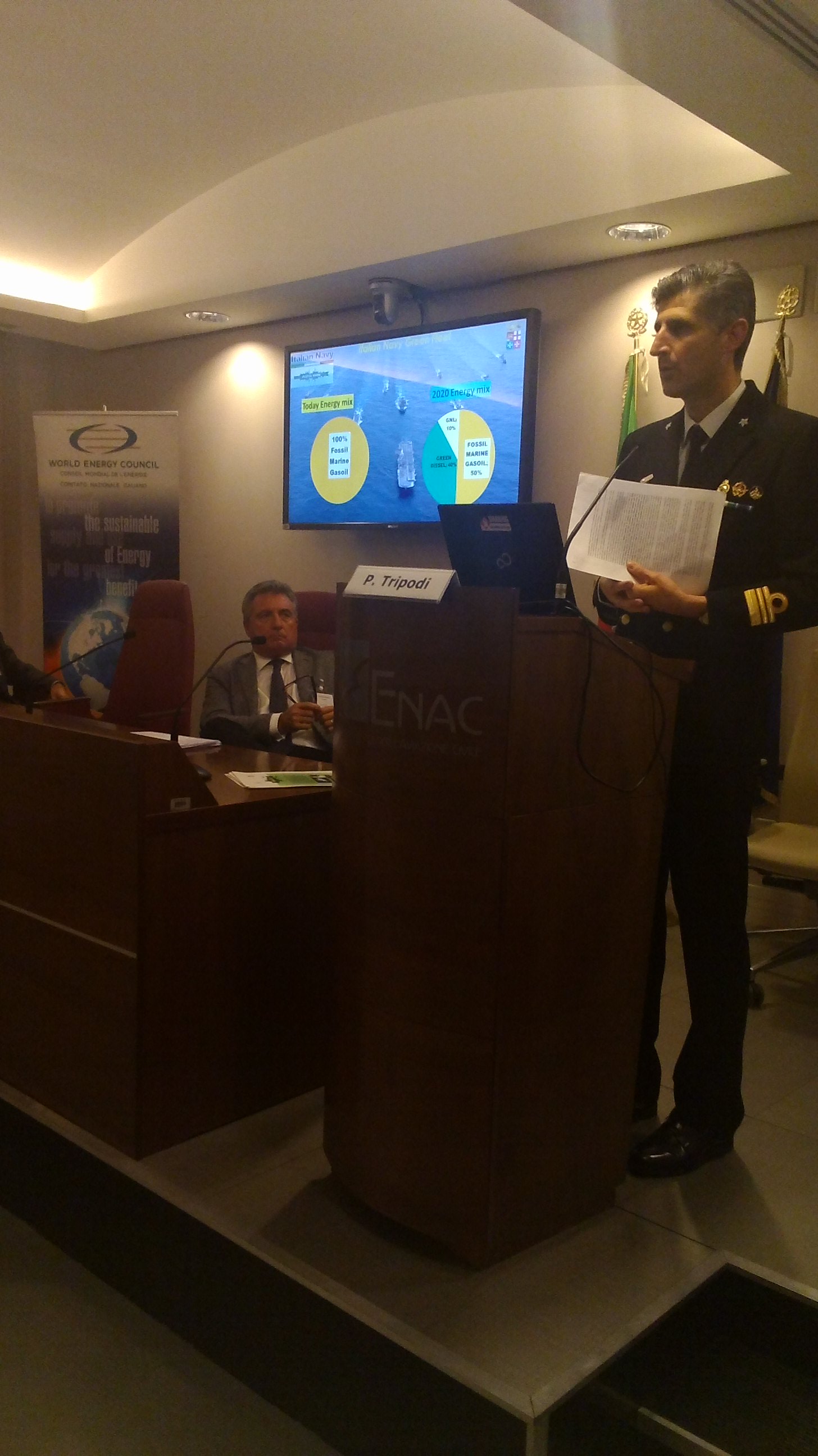
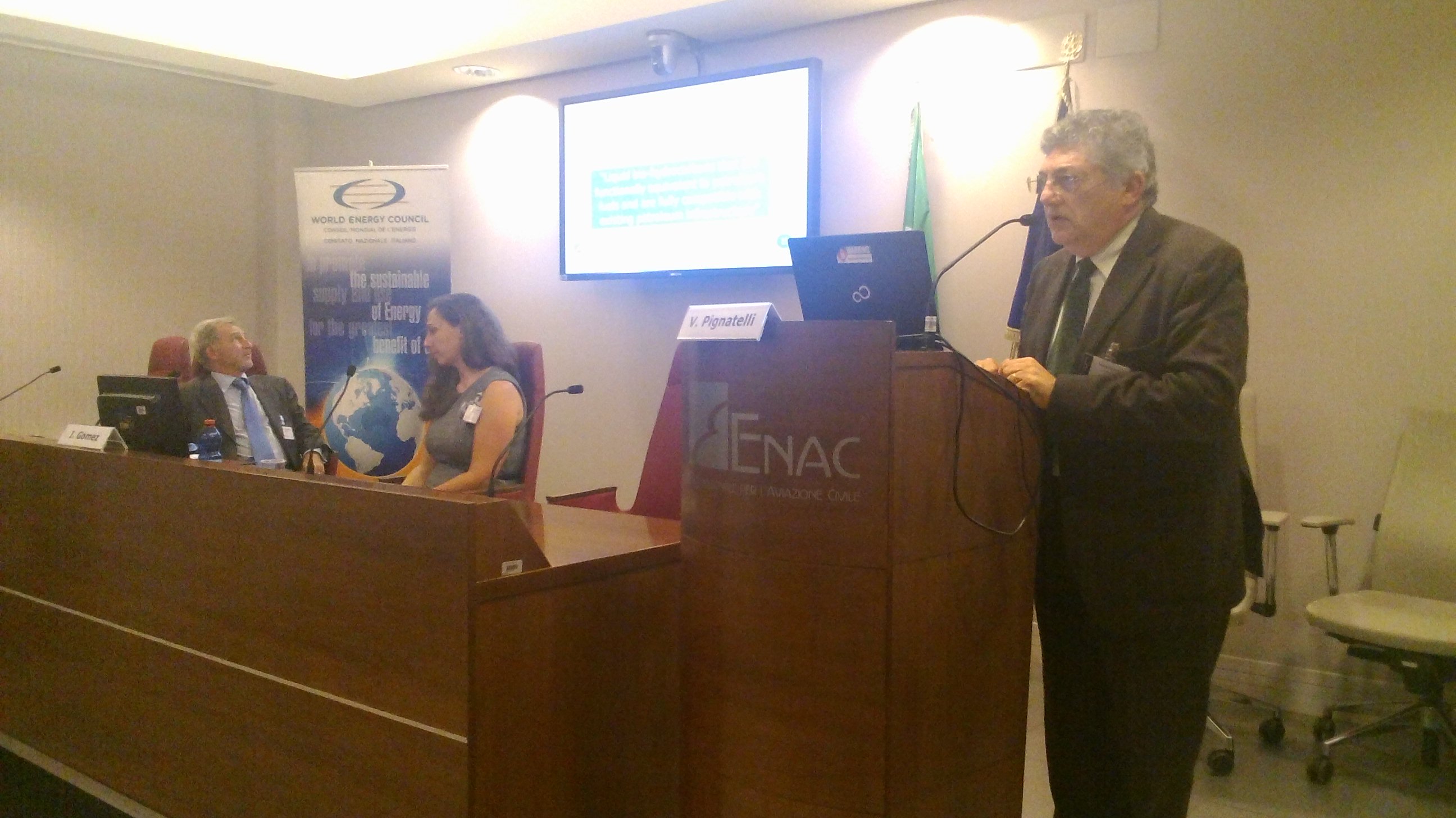
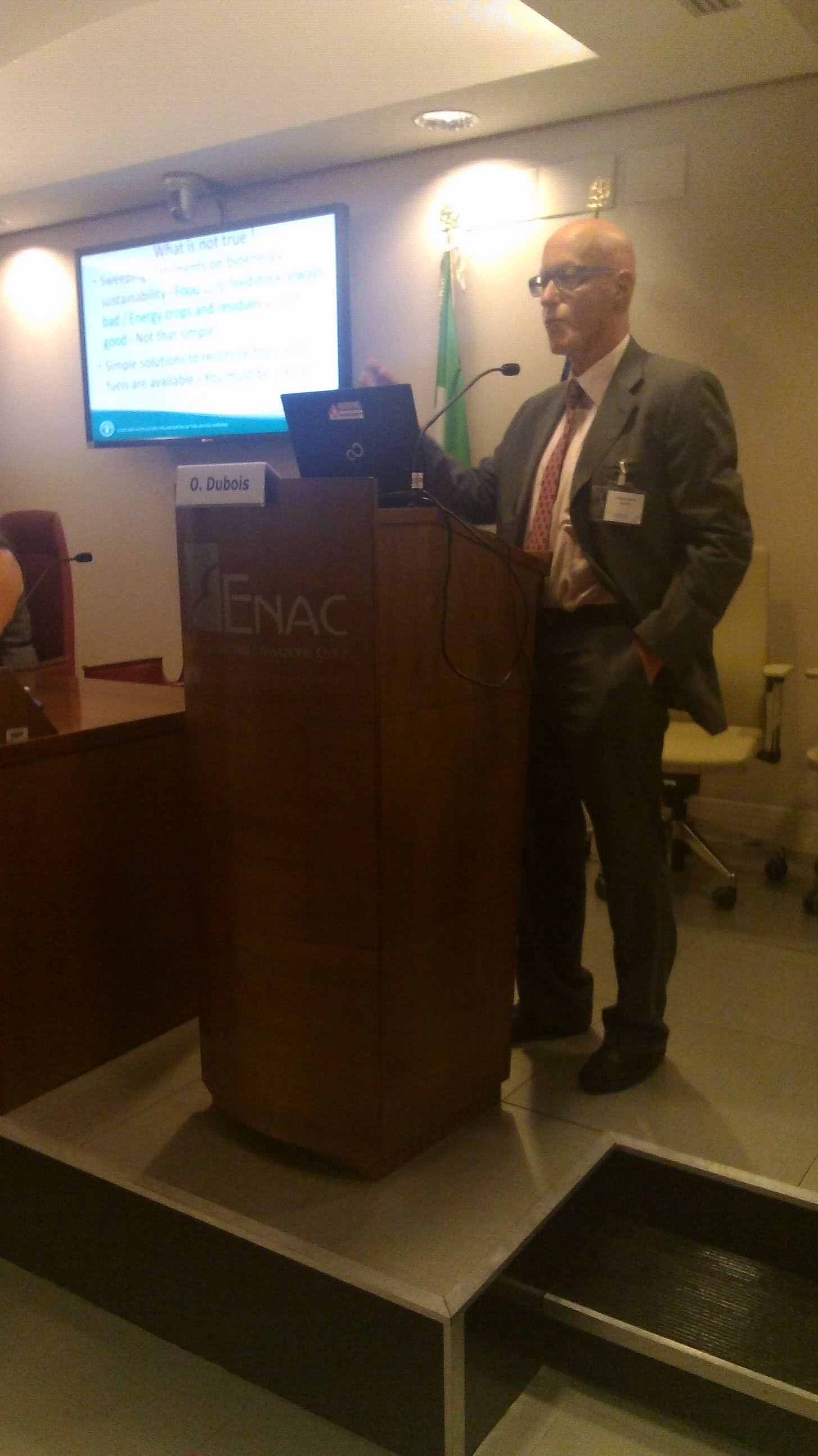
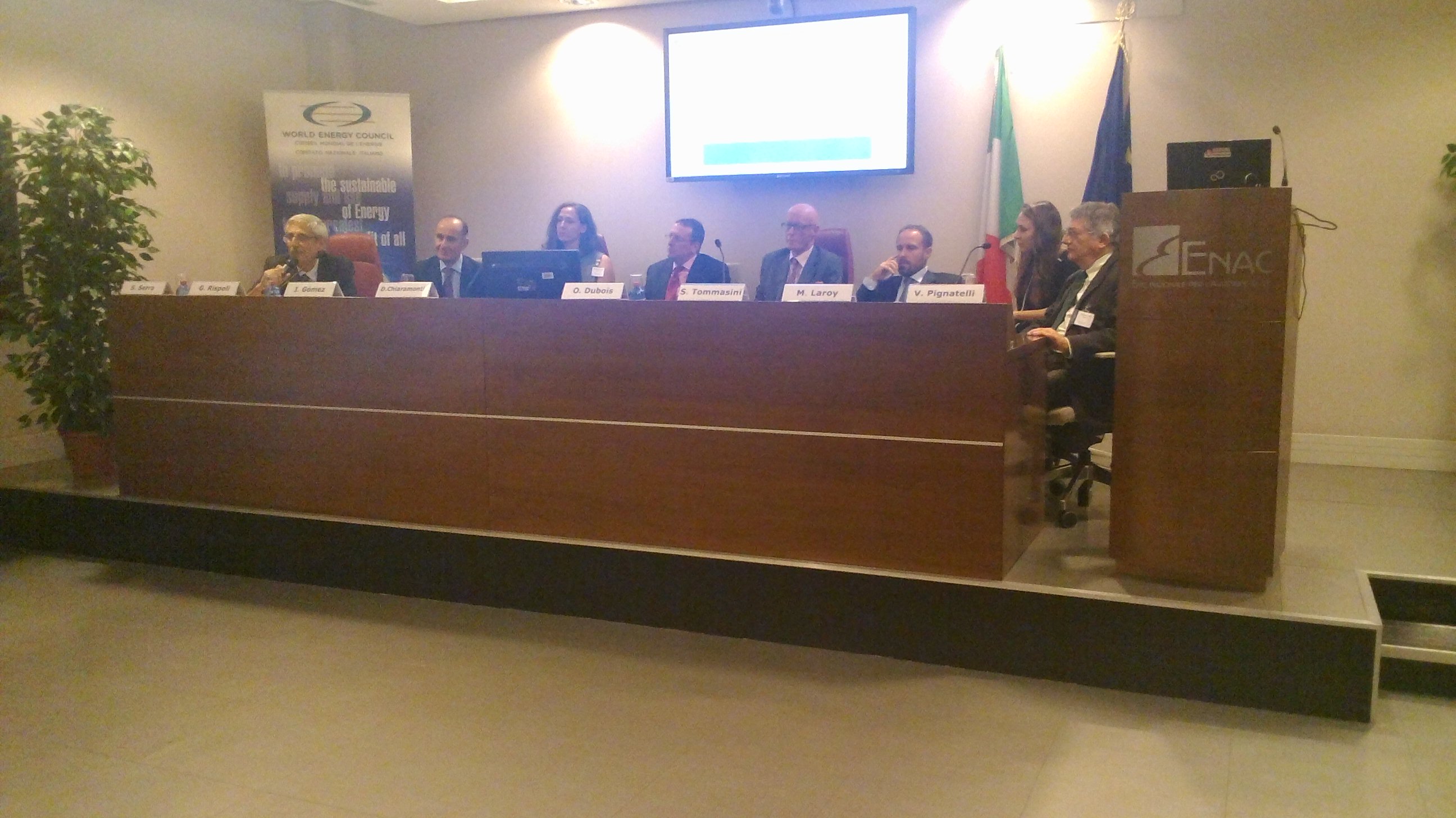
Session III
A number of critical aspects related to the current sustainability models which aims to avoid competition between food and energy sectors were treated in the third section. These models envisage in fact long term scenarios, based on global scale both on environmental and agricultural terms, and requires to separate food from energy cultivations. On the contrary, supply chains for energetic biomass cultivation based on short term objectives, perfectly integrated on local communities, such those for cultivation of Cassava in Rumuva, Jatropha in Sri-Lanka and palm oil in Tanzania, show that energy and food crops can co-exist, with relevant socio-economic benefits for local communities.
Panel Discussion
In the panel discussion, it was agreed that ISAFF during its future activities should deepen the above aspects related to sustainability, in order to evaluate and agree on the emission of a specific position paper to be presented to the national and international institutions and stakeholders.
Io sono un blocco di testo. Clicca sul bottone modifica per cambiare questo testo.
Io sono un blocco di testo. Clicca sul bottone modifica per cambiare questo testo.
Io sono un blocco di testo. Clicca sul bottone modifica per cambiare questo testo.
Io sono un blocco di testo. Clicca sul bottone modifica per cambiare questo testo.

Pingback: The Jewelry Store