
World Energy Issues Monitor 2017
Exposing the new energy realities
In its eighth year, the World Energy Issues Monitor 2017: ‘Exposing the new energy realities’ published by the World Energy Council, provides a snapshot of what keeps CEOs, Ministers and experts awake at night in over 90 countries. The monitor helps to define the world energy agenda and its evolution over time. It provides a high-level perception of what constitute issues of critical uncertainty, in contrast to those that require immediate action or act as developing signals for the future. It is an essential tool for understanding the complex and uncertain environment in which energy leaders must operate, and a tool through which one can challenge own assumptions on the key drivers within the energy landscape.
This eighth iteration of the monitor is based on insights provided by more than 1,200 energy leaders to provide over 35 national assessments across six regions.
The report has been officially launched in Washington and Japan on 6 April, will be followed by further presentations at regional events. It will also be sent to government ministries in more than 90 countries with a preview at the United Nations Sustainable Energy for All Forum in New York on 4 April.
Emerging disruptive trends and technologies top global energy agenda
As the Grand Energy Transition fast becomes a reality, the minds of global energy leaders are becoming increasingly focussed on long term trends that threaten existing economic and business models rather than concerns about short term risks.
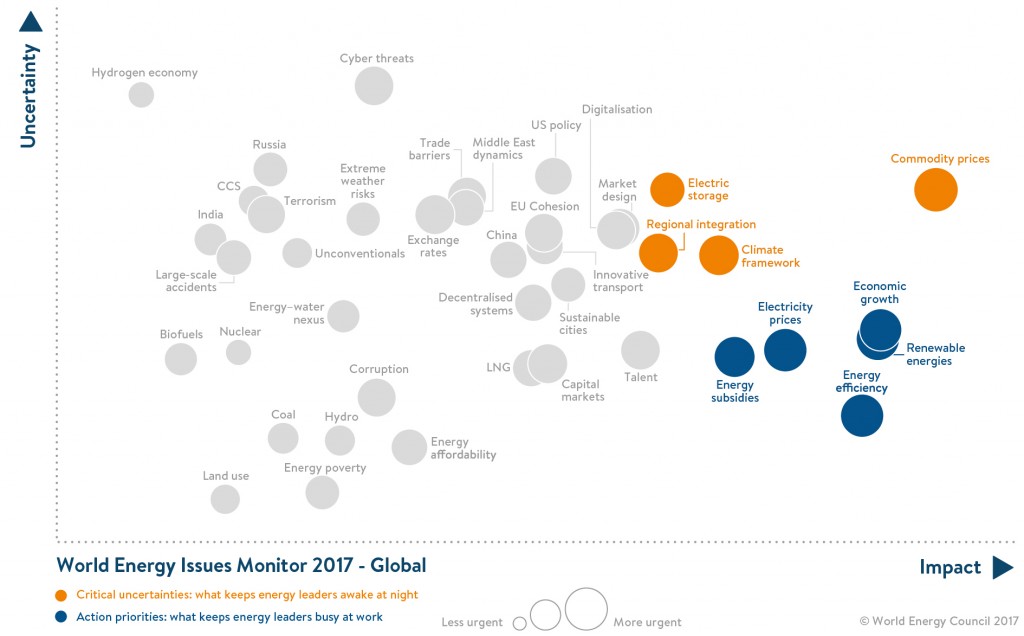
Issues that will dictate the speed and the breadth of the energy transition rise to the top of the global energy agenda as government and corporate take stock of the impacts and opportunities that arise as the world goes down a path of increased decarbonisation. This includes regional integration, climate framework, electric storage, renewables, energy efficiency, electricity prices and economic growth.
A new survey highlights shifting priorities in the energy sector with an increasing impetus towards a lower carbon future. Disruptive technologies including renewable energies and energy efficiency are impacting top action priorities for energy leaders globally in 2017.
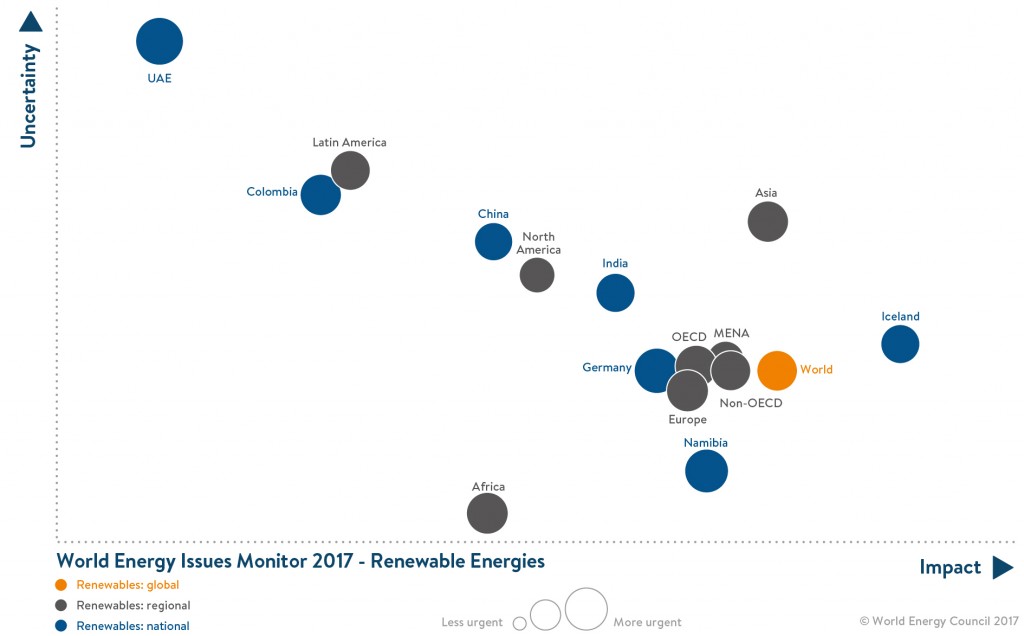
Renewables ranked high in impact within every region identified in a survey of more than 1,200 energy leaders in 95 countries. Solar has seen immense growth in installed capacity reaching 227GW by the end of 2015, while global wind power generation capacity increased at a rate of 17.2% in 2015.
GLOBAL MAP
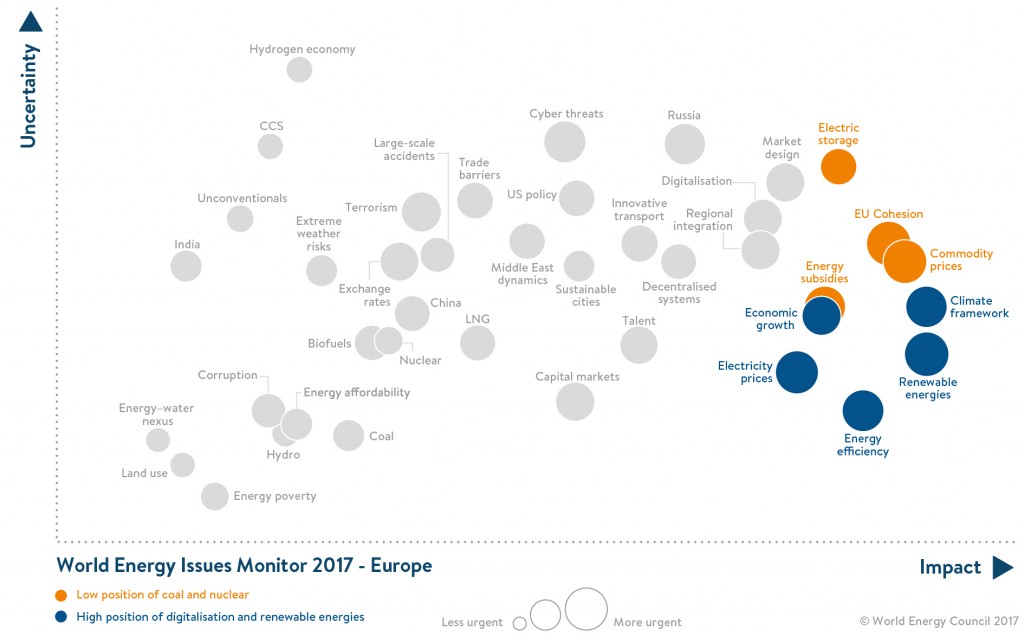
EUROPE MAP
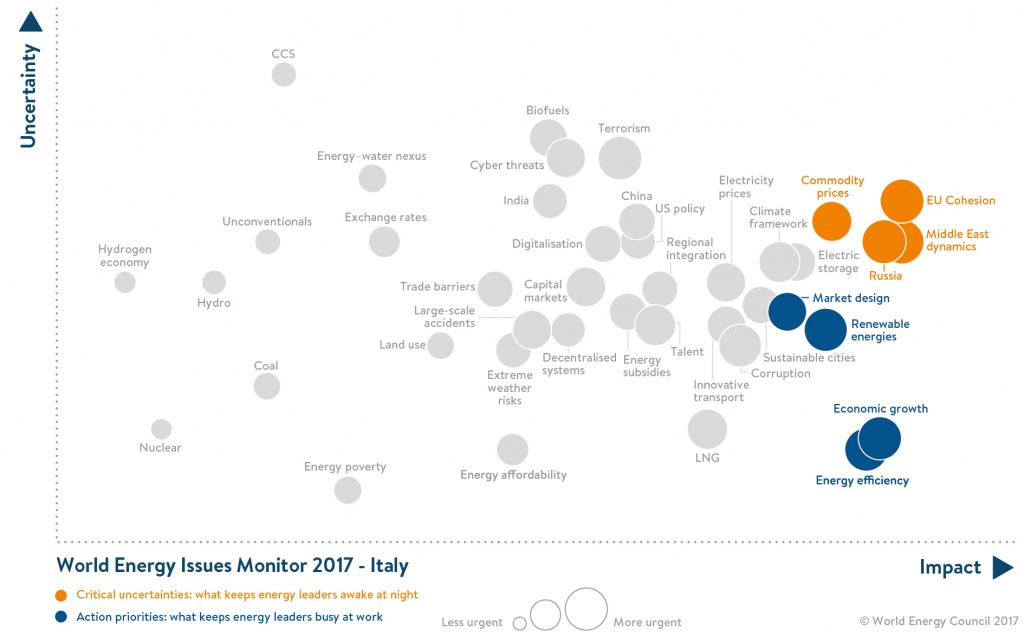
ITALY MAP
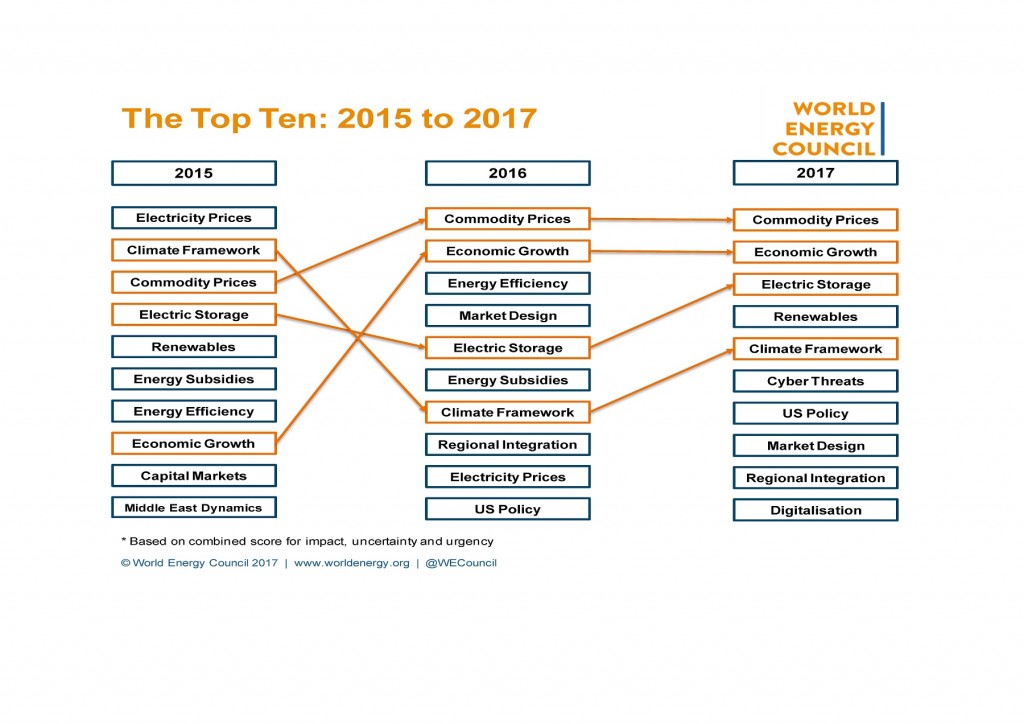
TOP 10 | 2015 - 2017
Other key findings:
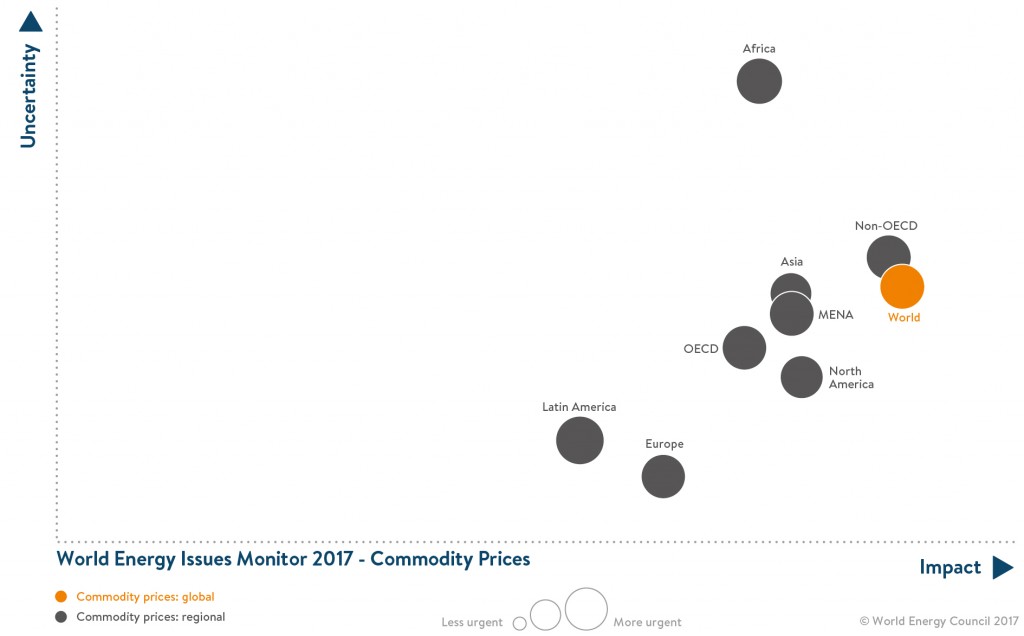
- Commodity price volatility remains number one critical uncertainty
- A shift in economic growth – slow global growth puts greater uncertainty around primary energy demand
- Shifts in geopolitical power – due to a renewed focus on US policy, Brexit and uncertainty over EU cohesion
- New physical and virtual risks – Cyber-attacks are posing ever greater threats to the energy sector
- Talent acquisition and retention will become a major focus as new technologies continue to reshape the energy industry
TRACKING COMMODITY PRICES
TRACKING RENEWABLES
RISE OF INNOVATION CLUSTER
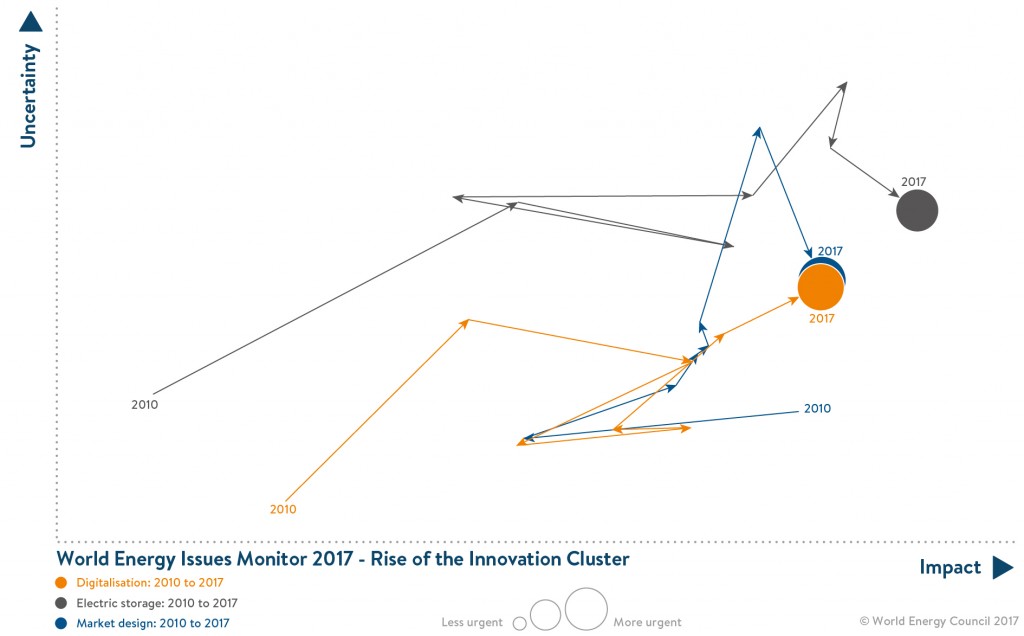
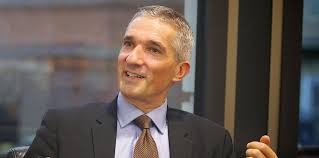
Dr. Christoph Frei, Secretary General of the Council – Our survey shows that energy leaders face and acknowledge disruptive change. The Issues Monitor illustrates that innovation issues such as digitalisation, decentralisation, innovative market design or electric storage rapidly gain traction, while a more difficult growth context and new physical and digital risks are posing ever greater threats to the energy sector. Today defining the energy agenda globally, five years ago these issues were far from being a priority.”
